



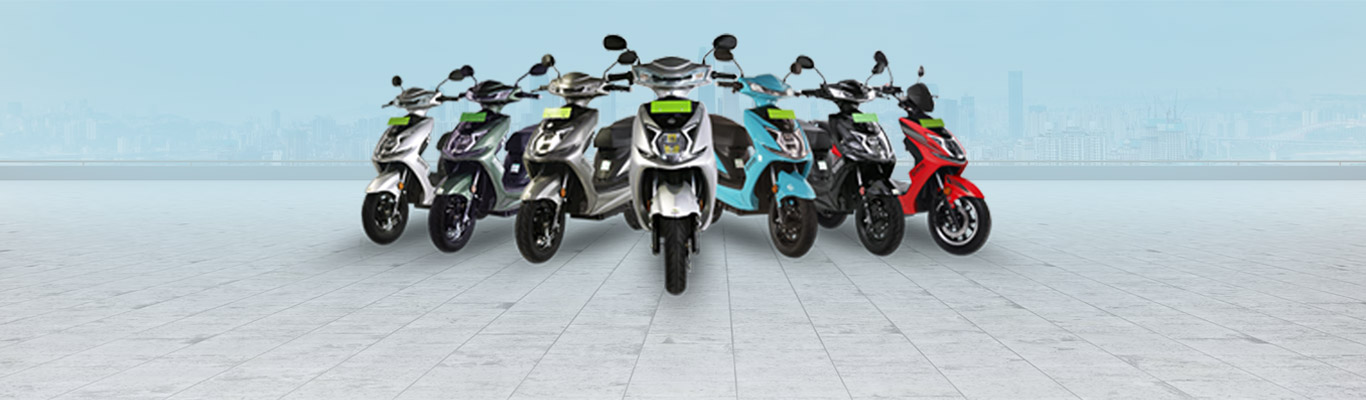

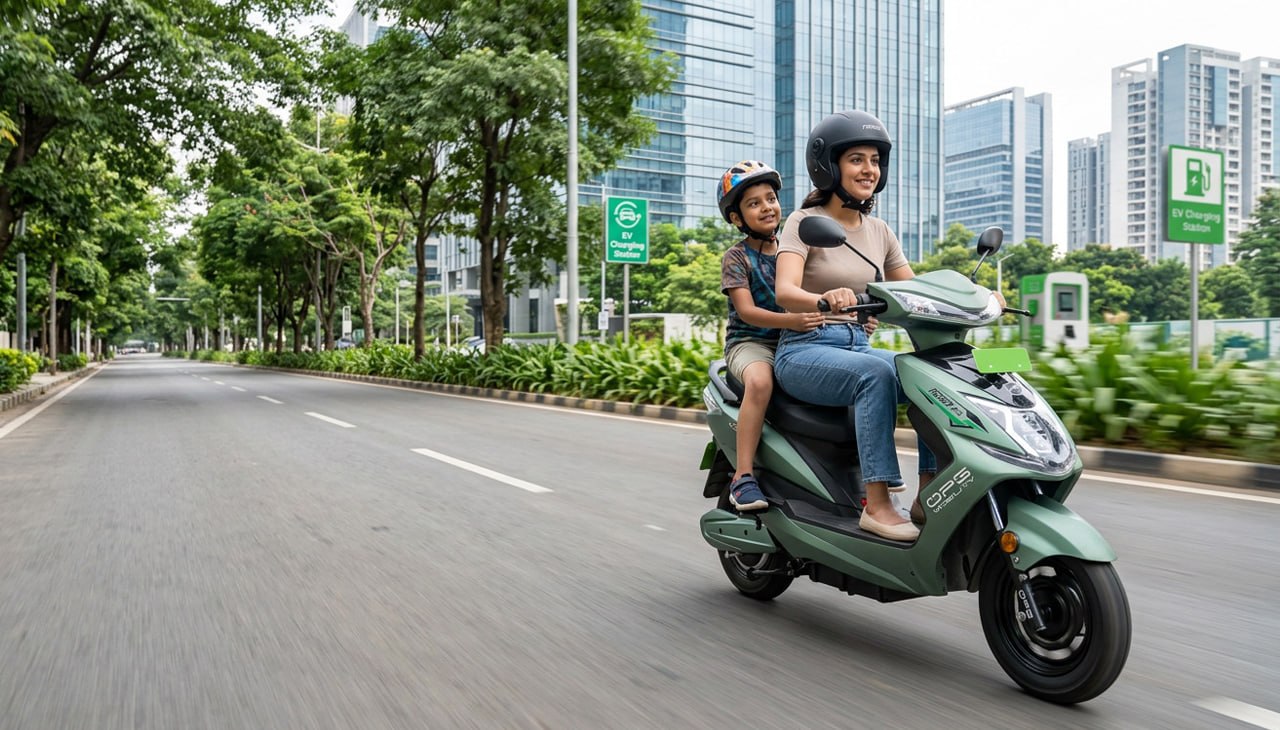
When you are comparing OPG electric scooters, think about how you will use the scooter every day. The phrase “Comparing OPG Electric Scooters: Which Model Is Right for You?” should guide your questions. Do you ride short distances in busy city traffic? Or do you need a scooter for longer runs and faster roads?
Consider where you park, how often you charge, and whether you will carry a pillion or some shopping. In India, riding in monsoon or on hot afternoons matters. Look for models with good build quality, reliable brakes, and useful storage. Also check the dealer network near your area. You can find an OPG Mobility dealer near you to arrange a test ride and ask about service options.
Write down your daily route and note the traffic, slopes and road quality. This simple list will make it easier to compare models on features that matter to you. Keep an eye on practical items such as seat comfort, footboard space, and charging port placement. These small things affect your daily comfort more than headline specs.
When comparing OPG electric scooters, focus on a few core features. These will tell you how the scooter will perform in real life.
Also compare practical items like under-seat storage, USB charging port, mobile holder, and build quality. Warranty and service terms are part of the feature set. A longer warranty on the battery or motor gives peace of mind. Ask the dealer about spare part availability and expected service intervals.
Finally, check the scooter’s weight and kerb feel. A lighter scooter is easier to handle in tight city spots. A heavier scooter may feel more stable on open roads. Try to test ride models with similar features to see how they feel in real traffic.
Understanding the battery matters when comparing OPG electric scooters. Batteries affect daily charging, storage, and long‑term care.
Most modern e-scooters use lithium batteries. Lithium batteries are lighter and more energy-dense than older lead‑acid types. They need a proper charger and a simple battery management system. A battery management system, or BMS, is a small controller that keeps the battery safe and balanced.
Think about how you will charge. Home charging is the most common option. You plug the scooter into a wall socket at your parking spot. If you live in an apartment, ask about charging rules and sockets in your parking area. Some people carry a removable battery inside to charge in the flat. Others prefer fixed batteries and a dedicated charging point at home.
Also check the onboard charger type. Fast chargers reduce wait time but may need a different power supply. Ask the dealer about recommended charging habits. Charging to 80–90% and avoiding deep discharges can help battery life. Avoid leaving the scooter uncharged for long periods, especially in extreme heat or damp weather.
If you want to know model choices and charging accessories, take a look at the official product pages and options. You can explore OPG Mobility electric scooters for available models and accessory info.
Now match models to typical riders. The question “Comparing OPG Electric Scooters: Which Model Is Right for You?” helps if you list daily needs first.
If you ride mostly short trips in heavy traffic, choose a nimble model with quick throttle response and a compact frame. You want light weight and easy manoeuvrability so you can filter or park well. Under-seat storage helps for a helmet or a small bag.
If your commute is longer or includes open roads, pick a model with a larger battery and comfortable seating. A stable suspension and a wider tyre help at higher speeds and on uneven surfaces. For carrying a pillion, check the footrest layout and load capacity.
For rough roads or frequent potholes, look for models with stronger suspension travel and good ground clearance. For city flats and short hops, a scooter with a lower step‑through and softer seat is more comfortable. Also check lighting—bright headlight and clear indicators make night rides safer.
Finally, consider your budget and usage. A slightly higher initial cost may mean better battery life or longer warranty. Decide how long you plan to keep the scooter and how much support you expect from the dealer network.
Comfort and safety are key when you ride every day. Think about features that help in real Indian traffic.
Seat height and cushioning affect daily comfort. A seat that is too hard or too high will tire you on long commutes. Check the width for pillion comfort. Footboard space matters if you carry shopping bags or a laptop bag. A flat, wide footboard is easier for city stops.
Suspension quality makes a big difference. City roads and monsoon seasons bring potholes and uneven surfaces. A scooter with good front forks and a rear shock will soak up bumps better. This reduces fatigue and improves control.
Brake type is critical. Disc brakes offer stronger stopping power than drum brakes, especially in wet conditions. Some scooters have a combined braking system that shares braking force across wheels. That can help during sudden stops in traffic.
Lights and visibility help you stay safe at night and in low light. Look for a bright headlight, clear tail lamp and good reflectors. Wider tyres and proper tyre tread pattern help grip during rains. Check the tyre pressure regularly for best braking and ride comfort.
When you compare OPG electric scooters, look beyond the purchase price. Consider what you will spend on charging, maintenance, and accessories.
Charging costs depend on your local electricity rates and how often you charge. If you have a daily commute, you will charge more often. Using a dedicated socket with the recommended charger is safer and often faster than a general plug.
Maintenance for EV scooters is generally different from petrol scooters. There are fewer engine parts to service. Still, you should check brakes, suspension, tyres, lights and the electrical system periodically. Battery care is the most important ongoing concern. Follow dealer guidance for battery checks and software updates.
Think about home charging setup. If you park on the road or in a shared space, confirm with your housing society whether you can run a charging socket. Many riders choose to install a simple, weatherproof plug near the parking spot. If you plan to install a dedicated wall charger, ask the dealer about compatibility and safety features.
Insurance and accessories add to yearly costs. Compare warranty cover and what it includes. Also ask about battery warranty specifics and whether labour for service visits is charged separately. Good dealer support reduces long-term hassles.
By this stage you may be close to a decision. Use this heading again—”Comparing OPG Electric Scooters: Which Model Is Right for You?”—to review final trade-offs.
Make a simple pros-and-cons list for each model you test ride. Note comfort, real-world range on your route, how the scooter handles hills, and how easy it is to charge at home. Compare the features that matter most to you, not just the headlines.
Ask the dealer about software updates, service turn‑around time, and availability of spare parts. A good local dealer who understands EVs can save time and stress. If you live in a city with heavy traffic, prioritise manoeuvrability and responsive braking. If you need to carry a pillion or heavier loads, focus on build strength and suspension.
Also check accessory options. Carrier racks, smarter chargers, and comfort seats are useful buys. Decide which accessories are essential now and which you can add later. Shop with a list and stick to the priorities you set earlier. This keeps the comparison objective.
Here are short practical checks to do before you finalise a model. These points help you spot real differences during a test ride or at the dealer.
Keep a short checklist on your phone when you visit a dealer. Bring a friend to help observe things you might miss while riding. Take a photo of the dashboard and sticker details for later comparison.
Match the scooter’s range and comfort to your daily distance and traffic. Consider charging access and rider weight. Test ride to feel the handling in real traffic.
Many riders charge at home. Check with your housing society about sockets and parking rules. Some models allow removable batteries to charge indoors.
Expect periodic checks for brakes, tyres, suspension, lights and the electrical system. Battery checks and software updates may be part of scheduled service visits.
Rain and heat can affect range and battery life if not cared for. Use proper tyre pressure, keep electrical ports sealed, and follow charging advice for hot or wet conditions.
Spare parts and service come from the brand’s dealer and service network. Check dealer locations and ask about parts availability before buying.
Comparing OPG Electric Scooters: Which Model Is Right for You? — The right model depends on your daily route, parking and charging options, and how you ride in traffic. Test ride the models you shortlist. Use the quick checklist and ask about battery warranty, service turnaround and local support. If you want to see available models and arrange a test ride, you can find an OPG Mobility dealer near you. Take your time, focus on practical needs, and pick the scooter that makes your everyday travel easier and more reliable.

OPG MOBILITY AND POWER PVT. LTD.
Plot No. 34, Amaltas Marg, Phase-I, DLF City DLF QE, Gurgaon, Haryana-122002 (INDIA)
OPG MOBILITY AND POWER PVT. LTD.
AIHP Cyber Greens II- 484-485 Udyog Vihar Phase-III, Gurugram, Haryana- 122015
Copyright @ 2026 OPG Mobility All rights reserved.
 |
